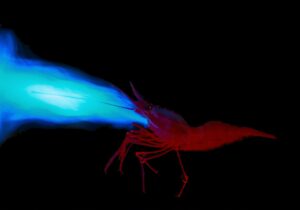
ATACAMA TRENCH, CHILE – Marine biologists have discovered a new species of predatory crustacean living at a depth of 7,902 meters (25,900 feet) in the Atacama Trench off the coast of Chile, representing the first large, active predator found in the ocean’s deepest zone. The Woods Hole Oceanographic Institution (WHOI) is a private, non-profit research organization in Massachusetts dedicated to marine research and engineering, working alongside Chile’s Instituto Milenio de Oceanografía (IMO) to study deep-sea ecosystems. These institutions conduct this research to understand how life has evolved and adapted to survive in Earth’s most extreme marine environments.
The discovery involved an integrative taxonomic approach, which is a scientific method that combines morphological observation where researchers study physical characteristics with DNA sequencing (genetic material) to confirm new species identification. Dr. Johanna Weston, a hadal ecologist at WHOI, and Dr. Carolina González from IMO led the research team that made this groundbreaking discovery. Hadal ecology is the study of life in the hadal zone, which extends from 6,000 to 11,000 meters below sea level and represents the deepest region of the ocean, named after Hades, the Greek god of the underworld.
The newly named species, Dulcibella camanchaca, was formally described in the journal Systematics and Biodiversity in 2024, marking a significant addition to our understanding of deep-sea biodiversity. The discovery was made during the 2023 Integrated Deep-Ocean Observing System (IDOOS) Expedition aboard the R/V Abate Molina, using specialized equipment designed to withstand the crushing pressure of the deep ocean. At such depths, the pressure exceeds 1,100 standard atmospheres, making exploration extremely challenging and requiring specialized technology.
Predatory Behavior Challenges Deep-Sea Assumptions
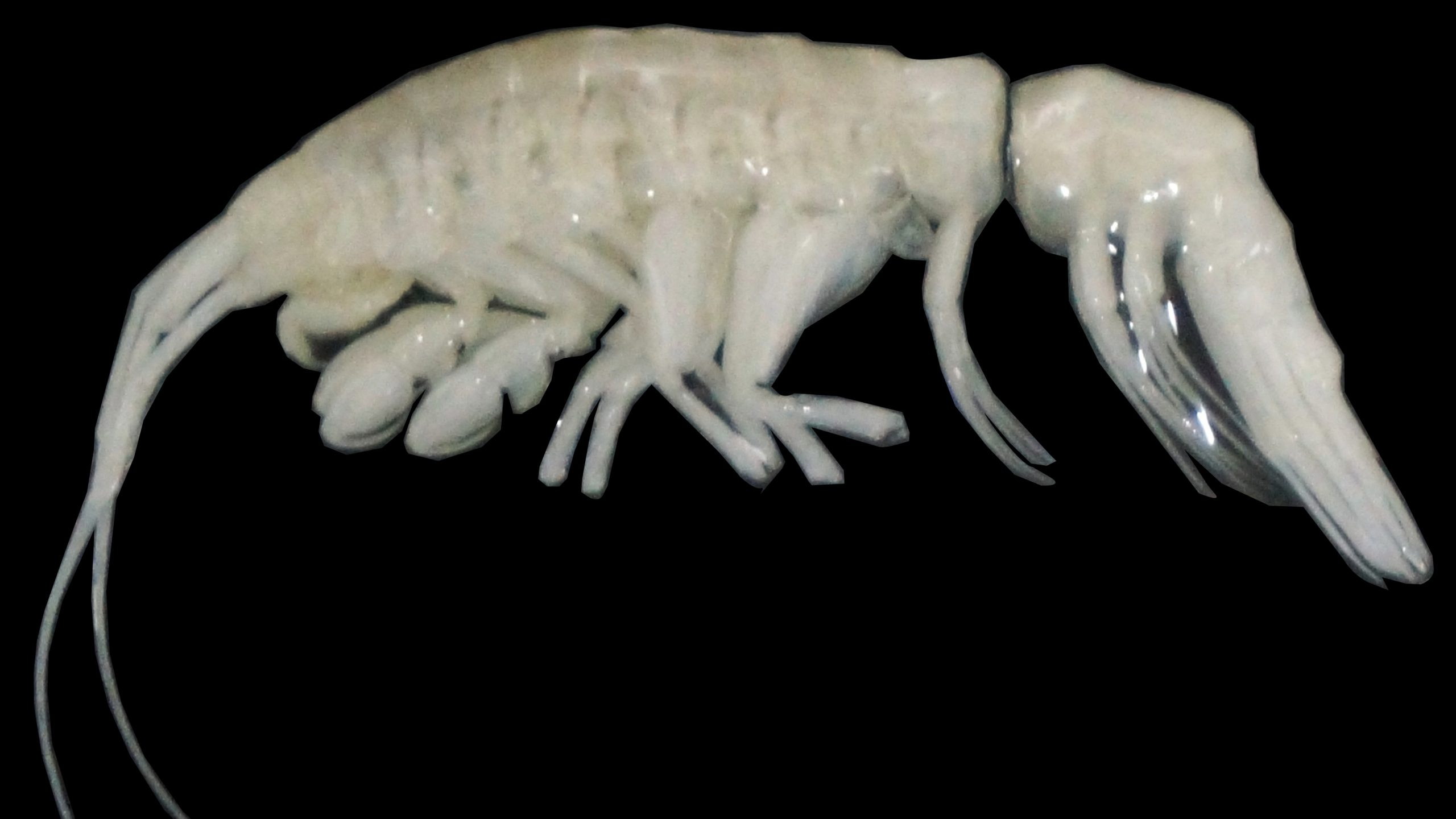
Dulcibella camanchaca measures nearly 4 centimeters (1.6 inches) in length and uses specialized raptorial appendages—grasping limbs adapted for seizing prey—to capture and consume smaller amphipod species in the food-limited realm of the Atacama Trench. Amphipods are a group of shrimp-like crustaceans, and this discovery is particularly significant because predatory (non-scavenging) amphipods had not been documented or collected from the Atacama Trench before this finding. Previously, all amphipods recorded at these depths were scavengers that feed on dead organic matter, making this active predator discovery unexpected and scientifically important.
“Dulcibella camanchaca is a fast-swimming predator that we named after ‘darkness’ in the languages of the peoples from the Andes region to signify the deep, dark ocean from where it predates,” explained Dr. Johanna Weston, the study’s co-lead author. Dr. Weston is a hadal ecologist, which means she specializes in studying organisms that live in the deepest parts of the ocean where extreme pressure and complete darkness create challenging conditions for life. The species name “camanchaca” refers to the dense, low coastal fog that forms by the Atacama Desert, symbolizing the dark habitat where this predator thrives.
The genus name “Dulcibella” pays homage to Dulcinea del Toboso from the Spanish novel “Don Quixote,” continuing a tradition of naming amphipods after literary characters. Most excitingly, the DNA and morphological data revealed this species represents not just a new species, but also a new genus—a higher taxonomic classification that indicates it’s fundamentally different from all previously known amphipod groups.
Advanced Deep-Sea Technology Enables Discovery
The discovery was made using a lander vehicle, which is an untethered platform designed to carry scientific equipment, including baited traps, to and from the ocean floor. Lander vehicles are autonomous, unmanned marine exploration devices that land freely on the seafloor without any cable attachment, making them ideal for reaching extreme depths where traditional tethered equipment would be impractical. Four individual specimens were collected at the remarkable depth of 7,902 meters, then frozen and transported to the Universidad de Concepción for detailed morphological and genetic analysis.
The hadal zone requires specialized instruments capable of withstanding pressures of up to a thousand or more atmospheres, making exploration extremely challenging from both technical and financial perspectives. Before 2014, much of our knowledge about life in the hadal zone came from just two sampling campaigns in the 1950s: the Danish Galathea and Soviet Vitjaz expeditions, highlighting how little we know about these extreme environments. Modern hadal research has been revolutionized by the development of full-ocean-depth submersibles and advanced lander systems that can systematically sample and study these remote ecosystems.
Atacama Trench: An Isolated Biodiversity Hotspot
The Atacama Trench stretches along the eastern South Pacific Ocean, plunging to depths exceeding 8,000 meters off the coast of northern Chile, and has long fascinated scientists due to its unique characteristics. Located beneath nutrient-rich and productive surface waters and geographically remote from other hadal environments, the Atacama Trench hosts a distinctive community of native species. The hadal zone represents the deepest 45% of the ocean (6,000-11,000 meters depth) and has high levels of undiscovered biodiversity, with most hadal features being trenches formed at subduction zones between tectonic plates.
The Atacama Trench, also known as the Peru-Chile Trench, is one of the most geographically isolated hadal features and is situated below eutrophic surface waters characterized by high sediment loads. Eutrophic waters are nutrient-rich environments that support abundant marine life, which creates unique conditions in the trench below where organic matter from the surface can sustain deep-sea communities. This trench is known to host a highly distinctive faunal community, driven by a combination of these isolating factors that create conditions unlike those found in other deep-sea environments.
“The deep ocean is a vast reservoir of new species to science, and each discovery improves our ecological understanding of these remote ecosystems,” noted the research team. The discovery emphasizes the Atacama Trench as an endemic hotspot—a region where species are found nowhere else on Earth, highlighting the importance of protecting these unique deep-sea environments.
Scientific Implications and Future Research
“This study’s collaborative effort and integrative approach confirmed Dulcibella camanchaca as a new species and highlights ongoing biodiversity discoveries in the Atacama Trench,” said Dr. Carolina González, co-lead author responsible for sample collection and DNA analysis. Dr. González works at the Instituto Milenio de Oceanografía, which is a Chilean research institute focused on understanding oceanographic processes and marine ecosystems. “This finding underlines the importance of continued deep-ocean exploration, particularly in Chile’s front yard. More discoveries are expected as we continue to study the Atacama Trench.”
The researchers emphasize that each discovery brings us closer to understanding how life has adapted to these inhospitable environments and contributes to broader efforts to safeguard these fragile ecosystems from threats including pollution and climate change. Recent studies have detected persistent organic pollutants (POPs) in hadal amphipods, demonstrating that even the deepest ocean environments are not immune to human impacts. There are also signs that physiological processes in hadal animals hold promise for developing new drugs and treatments for medical conditions, making their study important for potential biotechnology applications.
Expanding Deep-Sea Exploration Capabilities
The hadal zone represents more than 47 distinct regions comprised of trenches, troughs, and faults around the world that form an area of seafloor estimated to be more than half the size of Australia. Life below 20,000 feet is vastly different from any other place on Earth, with adaptations to extreme pressure and food supply presenting opportunities to learn about evolution and connectivity of life. Scientists emphasize that before we can explore ocean worlds beyond Earth, we must first explore our own ocean using complex and highly specialized tools.
As exploration technology advances, scientists anticipate uncovering more species, each offering insights into the evolutionary pressures and adaptations unique to the deep ocean. The results of this study will contribute to broader efforts to understand deep-ocean ecosystems and protect them from emerging threats, such as pollution and climate change. With the increased application and maturity of full-ocean-depth submersibles and advanced lander systems, researchers expect a new wave of hadal exploration to reveal unprecedented biodiversity in Earth’s deepest environments.
The study was conducted using specimens collected during the 2023 Integrated Deep-Ocean Observing System (IDOOS) Expedition in the Atacama Trench at depths of 7,902 meters. The research involved detailed morphological examination and DNA sequencing to confirm the discovery of both a new species and genus. Such taxonomic research requires extensive laboratory analysis and peer review to ensure scientific accuracy before new species descriptions are officially recognized in the scientific literature.
Key Takeaways
- Scientists discovered Dulcibella camanchaca, the first large predatory amphipod species found in the ocean’s deepest hadal zone environments.
- The discovery challenges previous assumptions about deep-sea ecosystems, revealing more complex predator-prey relationships than previously understood.
- Advanced lander technology enables systematic exploration of extreme ocean depths, revealing unprecedented biodiversity in Earth’s most remote environments.
Keep Reading
- Hadal Zone Exploration: How New Technology Reveals Life in Earth’s Deepest Waters – Comprehensive guide to lander vehicles, submersibles, and advanced equipment used to study extreme ocean depths
- Deep-Sea Amphipods: Evolutionary Adaptations to Extreme Ocean Pressure – Scientific explanation of how crustaceans survive and thrive in crushing deep-sea environments
- Atacama Trench: Chile’s Hidden Biodiversity Hotspot Beneath the Pacific – Detailed exploration of unique geological features and endemic species in this isolated deep-sea environment
- Marine Taxonomy: How Scientists Use DNA Sequencing to Identify New Species – Step-by-step guide to integrative taxonomic approaches combining morphological and genetic analysis
- Professional Deep-Sea Research Equipment: Landers, Cameras, and Sampling Tools – Equipment reviews and technical specifications for oceanographic research instruments and underwater exploration gear