
The air storage technology could help solve one of renewable energy’s biggest problems: storing wind and solar power for weeks when the weather doesn’t cooperate. Israeli company Augwind Energy has chosen Germany for its first commercial project after testing showed the system can store energy much longer than regular batteries. The project will use salt caves deep underground to compress and store air, then release it to generate electricity when needed.
Why Germany Needs Better Energy Storage
Germany faces a serious energy challenge that threatens its transition to renewable power. The country is closing all its coal and nuclear power plants to fight climate change, with plans to use only wind and solar power by 2030. However, wind and solar energy have one major problem: they don’t work when there’s no wind or sun.
Germany experiences “Dunkelflautes,” which are dark, windless periods that can last several weeks during winter. During these times, the country struggles to produce enough electricity to meet demand. Regular batteries can only store power for a few hours or days, but Germany needs a way to store energy for weeks or even months to keep the lights on during long periods of bad weather. This storage gap represents one of the biggest obstacles to Germany’s renewable energy goals.
How Salt Cave Energy Storage Works
The technology behind salt cave energy storage is surprisingly straightforward, though the engineering is complex. When Germany has extra wind or solar power, electric pumps compress air and push it into giant salt caves located thousands of feet underground. These caves are as large as football stadiums and can hold enormous amounts of compressed air under high pressure.
When Germany needs electricity, the system works in reverse by releasing the compressed air. The pressurized air pushes water through machines called turbines, which generate electricity that flows back into the power grid. The salt caves can store this compressed air for weeks or months without losing significant amounts of energy, making them ideal for Germany’s long winter periods when solar panels produce less power and wind generation can be unreliable.
The Technology Still Has Efficiency Problems
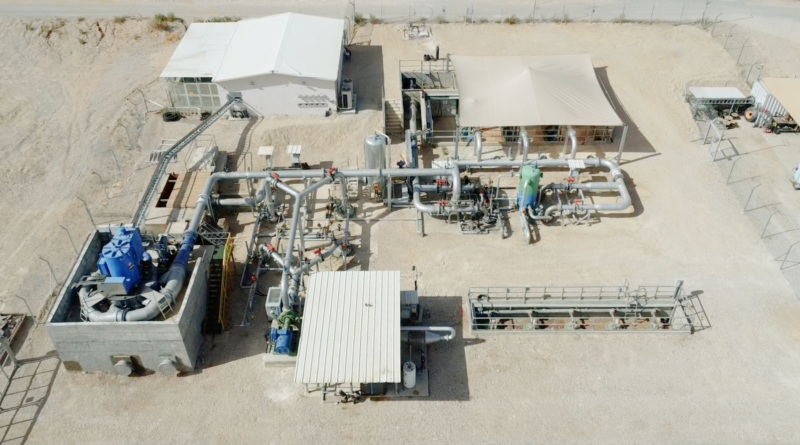
Despite its promise, the system currently suffers from significant efficiency challenges that could limit its commercial success. In early tests at Augwind’s facility in Israel, the company could only recover 21% of the energy they put into the system, meaning 79% of the stored energy was lost during the storage and retrieval process.
After major improvements completed in 2024, the system now recovers 47% of stored energy, with the company promising to reach 60% efficiency in the planned German commercial installation. However, these numbers still lag far behind competing technologies. Regular lithium batteries can return 85-95% of stored energy, while even older pumped water storage systems achieve 70-85% efficiency. This low efficiency means the German system will waste substantial amounts of expensive electricity, though the company argues that the ability to store energy for months compensates for this limitation.
Germany Has Perfect Geography for the Project
Germany offers ideal conditions for salt cave energy storage that few other countries can match. The country contains more than 400 salt caves that could potentially work for energy storage, with each cave capable of storing 3-8 gigawatt-hours of electricity. This storage capacity is enough to power between 200,000 and 500,000 homes for one hour, representing massive potential for grid-scale energy storage.
Most of these caves already exist from decades of salt mining operations, which means Germany doesn’t need to spend time and money digging new underground chambers. The existing caves are also strategically located near Germany’s main industrial areas where the most electricity is consumed. This geographic advantage makes it much easier and cheaper to connect the storage system to the existing power grid infrastructure.

What Makes This Different from Battery Technology
Air storage in salt caves offers several distinct advantages over conventional battery systems that could justify its lower efficiency. The system can store energy for months without significant power loss, while regular batteries gradually lose their charge over time even when not being used. The technology uses only compressed air and water as working materials, avoiding the toxic chemicals and rare earth metals required for battery production.
Salt cave systems are designed to operate for 30-40 years without major component replacements, significantly longer than most battery systems that need replacement every 10-15 years. The system also takes advantage of existing underground infrastructure from former mining operations, reducing construction costs and environmental impact compared to building new storage facilities. These factors could make the technology economically competitive despite its efficiency disadvantages.
Competition Grows from Multiple Directions
Augwind faces increasing competition from both similar technologies and rapidly improving alternatives. Italian company Energy Dome and Canadian company Hydrostor are developing competing compressed air storage systems in their respective countries, creating a race to prove which approach works best commercially.
Meanwhile, battery technology continues advancing rapidly with new chemistries that can store energy for longer periods at lower costs. Some new battery types are specifically designed for long-duration storage applications that directly compete with compressed air systems. The window for Augwind to establish market leadership may be narrowing as these competing technologies mature and scale up their operations.
The German Test Will Determine Global Adoption
The German project carries enormous significance for the future of renewable energy storage worldwide. If the system performs as promised, other countries with similar underground geology could rapidly adopt the technology. The United States, Canada, Poland, and several other nations have extensive salt cave formations that could support similar energy storage installations.
Success in Germany could trigger a global market for compressed air energy storage, potentially creating a new industry worth billions of dollars. However, failure to meet performance targets could discourage investment in this approach for many years, redirecting resources toward competing storage technologies. The stakes are particularly high because Germany’s energy transition depends heavily on finding reliable long-term storage solutions.
Complex Timeline Requires Multiple Approvals
Augwind must navigate a complex approval and construction process before the German system becomes operational. The company needs government permits for underground operations, signed contracts with German energy companies, secured financing for the multi-million dollar project, and completed detailed engineering designs for the commercial-scale installation.
Construction is scheduled to begin in 2027, with the system expected to start operating by 2028. The first year of operation will serve as a crucial test of how well the technology integrates with Germany’s power grid under real-world conditions. German engineering company Fichtner Group has reportedly validated the project’s technical and economic feasibility, though details of this analysis have not been made public.
Environmental Impact Needs More Study
While the system uses only air and water as working materials, scientists have raised questions about potential environmental effects that require further investigation. The large-scale compression of air underground might affect local water supplies or cause minor seismic activity in the surrounding area.
Other concerns include the possibility of ground subsidence above the storage caves and noise pollution from the surface compression equipment. These environmental questions need thorough study and mitigation plans before the technology can be deployed widely. The German project will provide valuable data about these potential impacts under real operating conditions.
The Technology’s Future Depends on German Results
Germany’s salt cave energy storage project represents a critical test of whether this technology can compete in the global energy market. The country desperately needs long-term energy storage to make its renewable energy transition successful, but the current system still faces significant technical and economic challenges.
If Augwind achieves its promised 60% efficiency and demonstrates reliable long-term operation, the technology could become an important tool for countries transitioning to renewable energy. The ability to store energy for months would solve one of the biggest remaining obstacles to widespread adoption of wind and solar power.
However, if the project fails to meet its performance goals or proves too expensive compared to alternatives, Germany and other countries may need to pursue different approaches to long-duration energy storage. The success or failure of this pioneering project will influence global energy storage development for years to come, making it one of the most important clean energy tests of the decade.